
How to Write Your Autobiography: A Step-by-Step Guide
Learn the essential steps to capture and share your unique life story. This practical guide walks you through planning, organizing, and writing your autobiography.
Why Write Your Autobiography?
Every life holds stories worth preserving. Whether you're capturing family history, documenting career milestones, or simply wanting to leave something meaningful behind, writing your autobiography connects past and future in powerful ways.
Many people put off this project because it feels overwhelming. Where do you start? How much detail is too much? This guide breaks the process into manageable steps that anyone can follow.
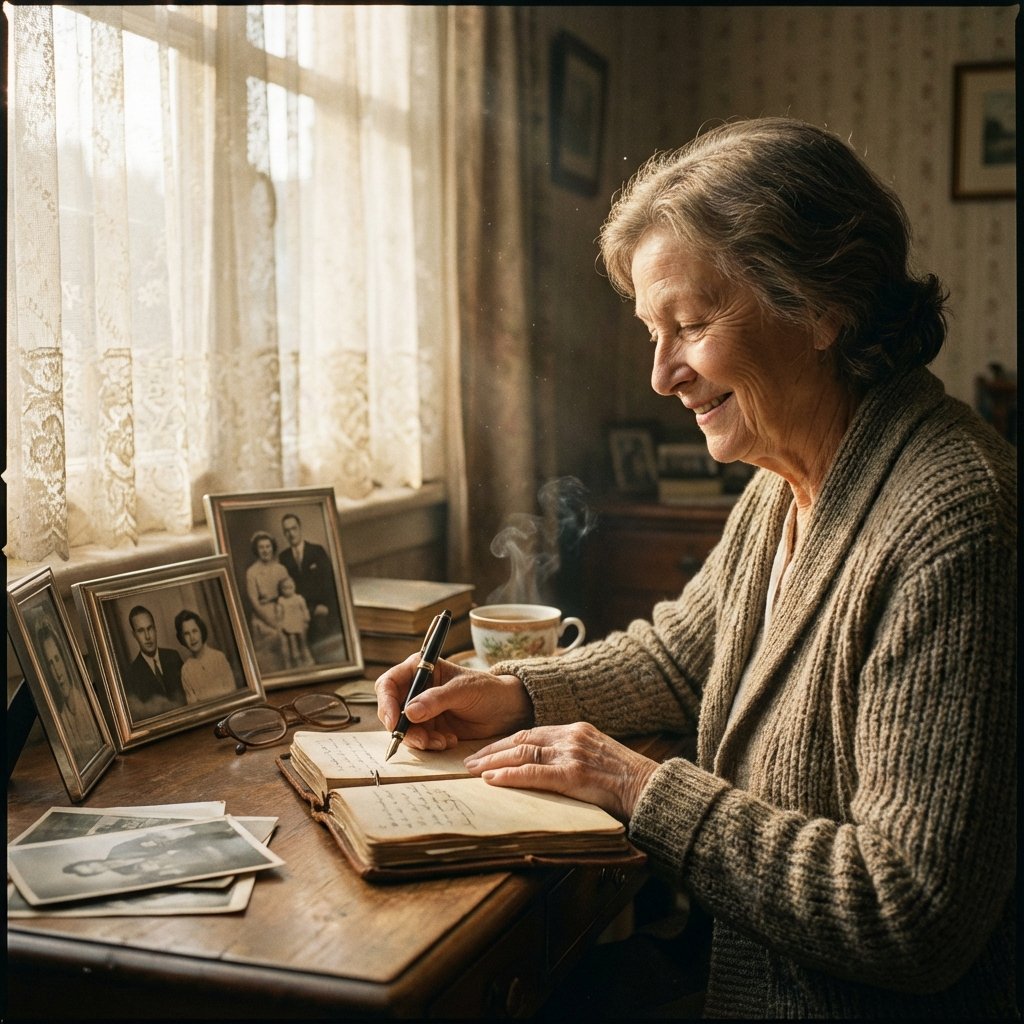
Step 1: Start with Why You're Writing
Before you write a single word, clarify your purpose. Are you writing for family members who want to know their roots? Documenting professional achievements? Processing personal experiences?
Your "why" shapes everything—what stories you include, your writing tone, and how much detail you share. A memoir for grandchildren differs from a career retrospective or personal healing journey.
Quick exercise: Complete this sentence: "I'm writing my life story because..." Keep this visible as you write.
Step 2: Create Your Life Timeline
Don't try to remember everything at once. Build a simple timeline of major events:
- Early years: Birth, childhood home, family structure
- Education: Schools, meaningful teachers, defining moments
- Relationships: Important friendships, partnerships, family changes
- Career: Jobs, achievements, turning points
- Milestones: Moves, travels, significant accomplishments
This timeline becomes your roadmap. You're not writing yet—just mapping the territory you'll explore.
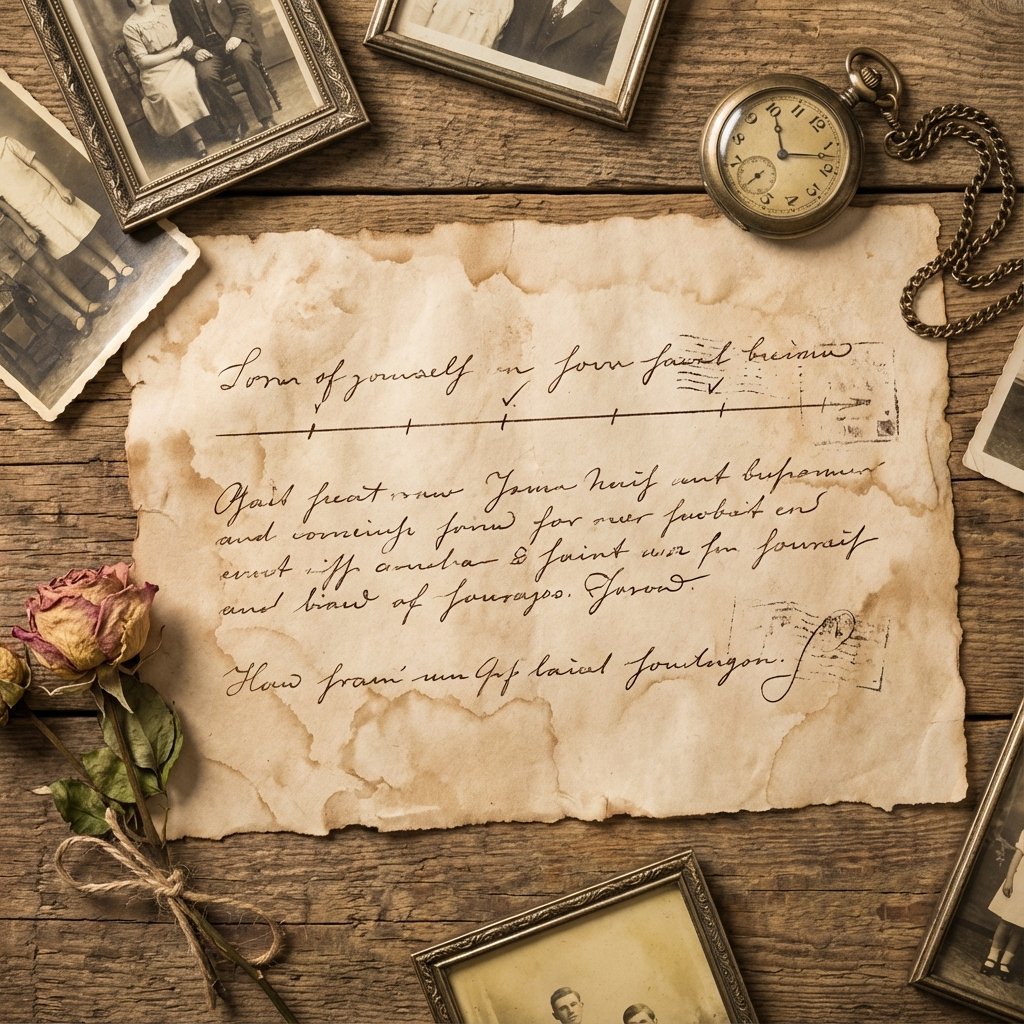
Step 3: Gather Your Memory Triggers
Photos, letters, and old documents unlock forgotten details. Spend time collecting materials before writing:
- Photo albums from different life periods
- Letters, emails, and cards you've saved
- School yearbooks and work documents
- Journals or diaries
- Objects with stories attached
These items don't just remind you what happened—they help you remember how it felt, which brings your writing to life.
Step 4: Choose Your Structure
Autobiographies don't have to start at birth and move chronologically. Consider these approaches:
Chronological: Traditional birth-to-present narrative. Works well for comprehensive life stories.
Thematic: Organize by themes like "Family," "Career," "Travels." Great when specific aspects of your life matter most.
Pivotal moments: Focus on key turning points that shaped who you became. Ideal for shorter, impactful memoirs.
Choose the structure that best serves your "why" from Step 1.
Step 5: Start Writing (Imperfectly)
Here's the secret: Your first draft doesn't need to be good. It just needs to exist.
Pick one story from your timeline—preferably a vivid memory that still makes you smile or gets your heart racing. Write it exactly as you'd tell a friend over coffee. Don't worry about perfect grammar or fancy words.
Writing tips:
- Use sensory details: what you saw, heard, smelled
- Include dialogue when you remember it
- Explain not just what happened, but how you felt
- Write in your natural voice, not how you think a "real author" sounds
Set small goals: 300 words per sitting feels more achievable than "write a book."

Common Questions About Writing Your Autobiography
How long should my autobiography be?
There's no required length. Some life stories span 50 pages, others 300. Focus on telling complete stories rather than hitting a word count. Quality storytelling matters more than quantity.
What if I can't remember exact details?
It's okay to write "as I remember it" or note when you're uncertain. You can also interview family members to fill gaps or verify memories. The emotional truth matters more than perfect accuracy.
Should I include difficult or painful experiences?
Only share what feels right for you and your audience. You can acknowledge hard times without diving into every detail. Consider: Will including this serve my purpose? Will it help readers understand my story?
An Easier Way to Capture Your Story
Writing an autobiography takes months of dedicated effort. If you love writing, it's a rewarding journey. But if you'd rather talk than type, there's another option.
Fablr acts as your personal biographer, turning conversations into written stories. Through voice chats, you share memories naturally—the way you'd tell them to family—and receive polished chapters of your life story. No writing required.
Whether you write it yourself or speak it into existence, your life story deserves to be preserved. What matters is that it gets told.